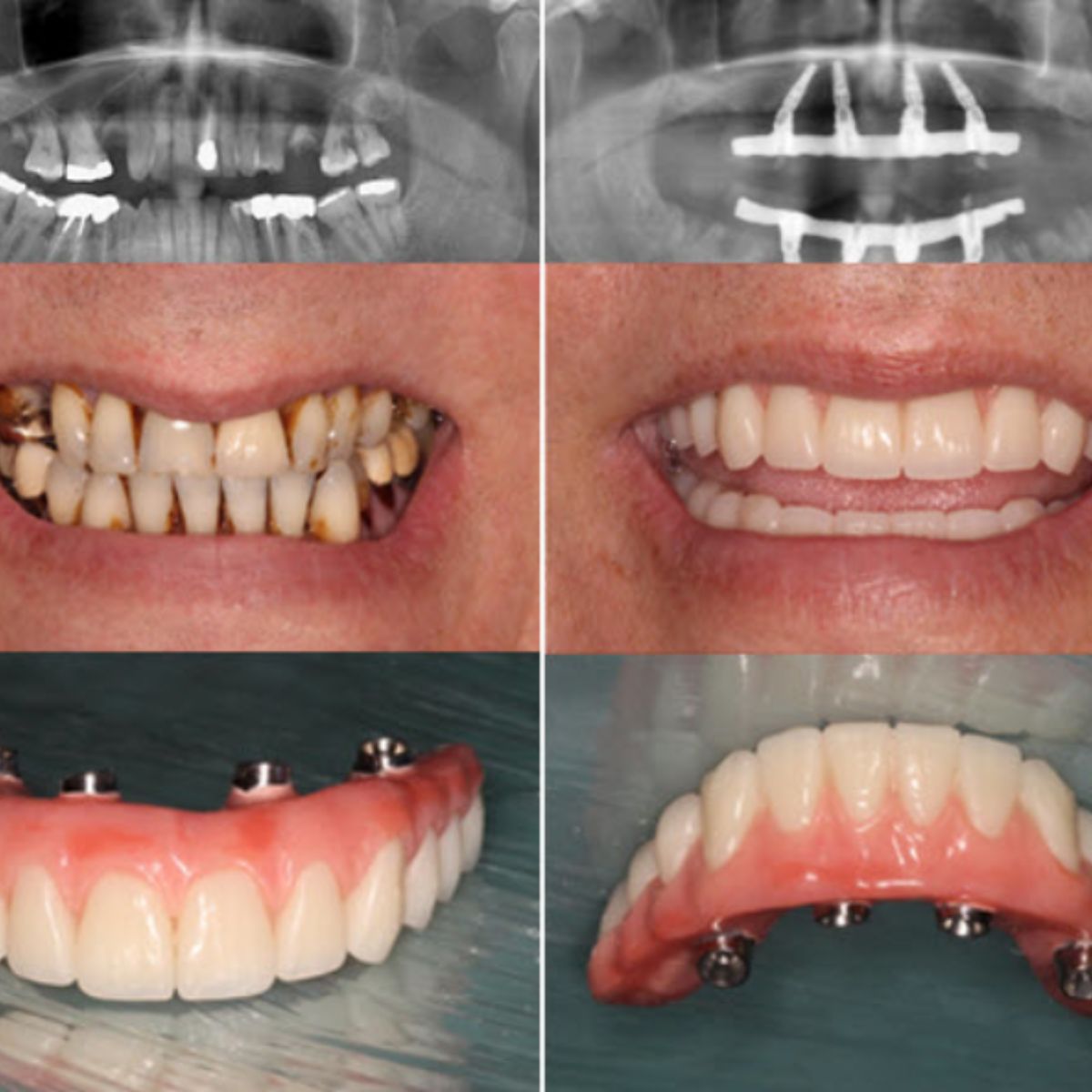

Dental implant treatment is a modern tooth replacement solution that can restore missing teeth in most cases. It helps improve chewing function while providing highly natural-looking esthetic results. However, dental implants are not suitable for everyone. Individuals with certain medical conditions or insufficient jawbone quality may not be eligible for implant placement.
In this article, My Smile Dental Clinic explains who should avoid dental implant treatment and outlines the key considerations before undergoing the procedure.
Why Isn’t Everyone a Candidate for Dental Implants?
Although dental implants are considered the gold standard for replacing missing teeth, they are not appropriate for every patient. Children and adolescents whose jaws are still developing, older adults with compromised general health, and patients with serious systemic diseases are often not ideal candidates for implant treatment.
For these individuals, the dentist may recommend alternative tooth replacement options, such as a fixed dental bridge or removable dentures, to provide a safer and more appropriate solution based on their overall health and clinical condition.
Who Should Not Receive Dental Implants?
Children and Adolescents with Developing Jaws
According to scientific publications from the National Institutes of Health (NIH), dental implants are generally **not recommended for children and adolescents under 18, as the jawbone is still growing and has not yet reached skeletal maturity.
During this stage, the bone volume, density, and quality may not be sufficient to support a dental implant over the long term. If an implant is placed too early, continued jaw growth may cause the implant to become malpositioned, tilted, or lose its long-term stability.
Until the patient becomes eligible for implant treatment, parents may consider several temporary tooth replacement options to maintain both appearance and basic oral function.
Space Maintainer
A space maintainer is a dental appliance designed to preserve the space left by a missing tooth, preventing adjacent teeth from drifting and ensuring adequate room for the permanent tooth to erupt properly.
Its primary purpose is to guide normal dental arch development rather than fully restore chewing efficiency. Because children’s jaws continue to grow, the appliance typically requires periodic adjustment or replacement.
Resin-Bonded Bridge
A resin-bonded bridge, also known as a Maryland bridge, replaces a missing tooth by bonding an artificial tooth to the lingual surfaces of the adjacent teeth using a specialized dental adhesive.
One of its main advantages is that it requires little or no preparation of the supporting teeth, making it a minimally invasive option while delivering satisfactory esthetic results. However, its longevity is generally lower than that of conventional bridges, and meticulous oral hygiene is essential to protect the abutment teeth and maintain the restoration.
Pregnant Women
Pregnant women are generally advised to postpone dental implant treatment to protect the health of both the mother and the developing baby. Implant planning requires a comprehensive clinical evaluation, including dental X-rays to assess bone quality and oral structures. Although modern imaging technology significantly reduces radiation exposure, even minimal radiation exposure may pose risks during certain stages of pregnancy, particularly in the first trimester.
In addition, patients typically require pain medication and, in some cases, antibiotics after implant surgery to prevent infection and promote healing. Certain medications commonly prescribed during the postoperative period may not be suitable for pregnant women, especially during the first and third trimesters when fetal development is most sensitive.
Proceeding with implant placement during pregnancy may also increase the risk of postoperative infection, prolonged discomfort, and other health complications, which could negatively affect both maternal and fetal well-being.
Patients with Low Jawbone Density
Patients with reduced jawbone volume or poor bone density may not be suitable candidates for immediate implant placement because the existing bone may be insufficient to provide stable support for the implant fixture. This condition commonly results from prolonged tooth loss leading to alveolar bone resorption, although some individuals may have naturally deficient bone due to congenital factors.
To address this issue, dentists often recommend bone grafting to increase bone volume and improve bone quality before implant placement, thereby creating a stable foundation for long-term implant success.
However, bone augmentation may not be feasible in certain situations, such as patients with compromised systemic health or anatomical limitations that make surgical intervention unsuitable. In these cases, alternative tooth replacement options may be recommended.
For older adults, eligibility for dental implants should be determined through a comprehensive evaluation of jawbone quality, overall health, and medical history to ensure safe treatment and predictable long-term outcomes.
Patients with Poorly Controlled Chronic Diseases
Successful dental implant treatment depends not only on adequate bone quality but also on the patient’s overall systemic health. Individuals with chronic conditions such as diabetes mellitus, hypertension, or cardiovascular disease should have their medical conditions well controlled before undergoing implant surgery.
When these conditions are poorly managed, the risk of surgical and postoperative complications increases significantly. Implant treatment is generally postponed under the following circumstances:
- Uncontrolled hypertension: Blood pressure exceeding 150/90 mmHg may increase the risk of excessive bleeding, cardiovascular complications, and intraoperative emergencies.
- Poorly controlled diabetes: A blood glucose level above 10 mmol/L can impair wound healing and substantially increase the risk of postoperative infection.
- Other chronic medical conditions: Patients receiving treatment for systemic diseases should undergo implant surgery only after obtaining medical clearance from their treating physician. Close collaboration between the dental surgeon and the patient’s healthcare provider helps maximize safety and minimize treatment-related risks.
Patients with Inadequate Jawbone Conditions
Some patients present with severe alveolar bone loss, insufficient bone volume, or active infection in the jawbone. Under these circumstances, successful osseointegration — the direct biological bonding between the implant and surrounding bone—may be significantly compromised.
Without adequate bone support, the implant may fail to achieve the primary stability required for successful healing. If implant placement proceeds despite poor bone conditions, the implant may gradually become loose and eventually require removal.
Therefore, patients with significant bone deficiencies or active jaw infections should receive appropriate treatment, such as infection control or bone augmentation, before dental implant placement is considered.
Patients with Gingivitis or Periodontal Disease
Existing oral diseases, including dental caries, gingivitis, and periodontitis, can adversely affect the outcome of dental implant treatment. Among these conditions, periodontal disease is particularly concerning because it damages the supporting gum tissues and alveolar bone responsible for maintaining tooth stability.
If active infection remains untreated, oral bacteria can spread to the implant site, increasing the risk of peri-implant infection and compromising long-term implant stability.
For this reason, all active oral infections should be fully treated before implant surgery. Placing implants in an inflamed oral environment substantially increases the likelihood of postoperative complications, including peri-implantitis, impaired osseointegration, implant failure, and, ultimately, implant removal.
Heavy Smokers and Individuals Who Frequently Use Recreational Substances
People who smoke regularly experience a significantly higher rate of complications following dental implant surgery than non-smokers. Nicotine causes blood vessels to constrict, reducing blood flow and oxygen delivery to the surgical site, thereby slowing healing and interfering with bone integration.
In addition, harmful chemicals in tobacco smoke promote bacterial growth, increasing the risk of gum inflammation, postoperative pain, swelling, and infection around the implant.
A 2022 study by Mustapha A. D., Salame Z., and Chrcanovic B. R., published in Medicina, reported that smokers have an approximately 140.2% higher risk of dental implant failure than non-smokers.
As a result, implants in smokers are less likely to achieve stable osseointegration, making them more susceptible to loosening or eventual failure. Smoking also shortens the lifespan of dental implants and increases the likelihood of developing peri-implant diseases over time.
Similarly, the frequent use of recreational drugs or other harmful substances can negatively affect both overall health and oral health, potentially reducing the success rate of implant treatment. Therefore, patients considering dental implants should undergo a thorough medical evaluation to determine whether they are suitable candidates for the procedure.
Factors to Consider Before Choosing Dental Implant Treatment
If you are considering dental implants, it is important to schedule a consultation with a reputable dental clinic where an experienced implant dentist can thoroughly evaluate your oral and overall health. The following factors should be carefully considered before treatment:
Understand the Dental Implant Procedure
Before deciding to undergo implant treatment, you should have a clear understanding of the procedure, including who is an appropriate candidate, who may not be suitable for treatment, and the factors that influence the long-term success of dental implants. Choosing a qualified dental provider with extensive implant experience is equally important to ensure both safety and predictable clinical outcomes.
Assess and Optimize Your Overall Health
Good general health is essential for successful implant treatment. Patients with systemic diseases should ensure their medical conditions are well controlled before surgery, as stable health significantly improves healing and reduces the risk of complications.
Follow Your Dentist’s Professional Recommendations
If your dentist determines that dental implants are not currently appropriate, it is advisable to follow their recommendations and consider alternative tooth replacement options. Delaying implant placement when necessary can reduce treatment risks, protect your overall health, and improve the likelihood of successful rehabilitation in the future.
How Can You Determine Whether You Are a Suitable Candidate?
The only reliable way to determine whether dental implants are right for you is through a comprehensive examination by a qualified implant dentist. During your consultation, the dentist will evaluate several important factors, including the following.
Jawbone Health
- Bone Volume and Bone Quality: The jawbone at the site of the missing tooth must have sufficient height, width, and density to provide stable support for the implant and achieve successful osseointegration.
- Bone Loss: Even if significant bone resorption has occurred, implant treatment may still be possible. Procedures such as bone grafting or sinus augmentation (sinus lift surgery) can often restore adequate bone volume before implant placement.
Overall Medical Health
- No Uncontrolled Systemic Diseases: Patients with poorly controlled diabetes, significant cardiovascular disease, osteoporosis, or those undergoing radiation therapy involving the jaws require a comprehensive medical evaluation before implant surgery.
- Good Healing Capacity: Candidates should be in good general health, have a normal healing response, and should not have conditions that significantly compromise the immune system.
Oral Health Status
- Healthy Teeth and Gums: The gums and surrounding teeth should be free from active infection. Conditions such as periodontal disease or dental caries must be fully treated before implant placement to maximize treatment success.
- Adequate Space for Restoration: There must be sufficient space to accommodate both the implant fixture and the final prosthetic crown while ensuring proper function and esthetics.
Although dental implants are one of the most effective and predictable solutions for replacing missing teeth, they are not suitable for every patient. Certain medical conditions, inadequate jawbone quality, or active oral diseases may require treatment before implant placement or make alternative restorative options more appropriate. A comprehensive evaluation by an experienced implant dentist is the best way to determine the most suitable treatment plan for your individual needs.
At My Smile Dental Clinic, our experienced implant team, led by Dr. Dang Ngoc Cuong (Specialist Level I), is committed to providing safe, evidence-based, and personalized implant treatment.
Using advanced digital technology and premium implant systems from leading manufacturers in South Korea, the United States, Germany, and Switzerland, we strive to restore both function and confidence with natural-looking, long-lasting results. We also offer flexible financing options to make high-quality implant treatment more accessible to our patients.
Dental Implant Cases at My Smile Dental Clinic