

 Tiếng Việt
 Русский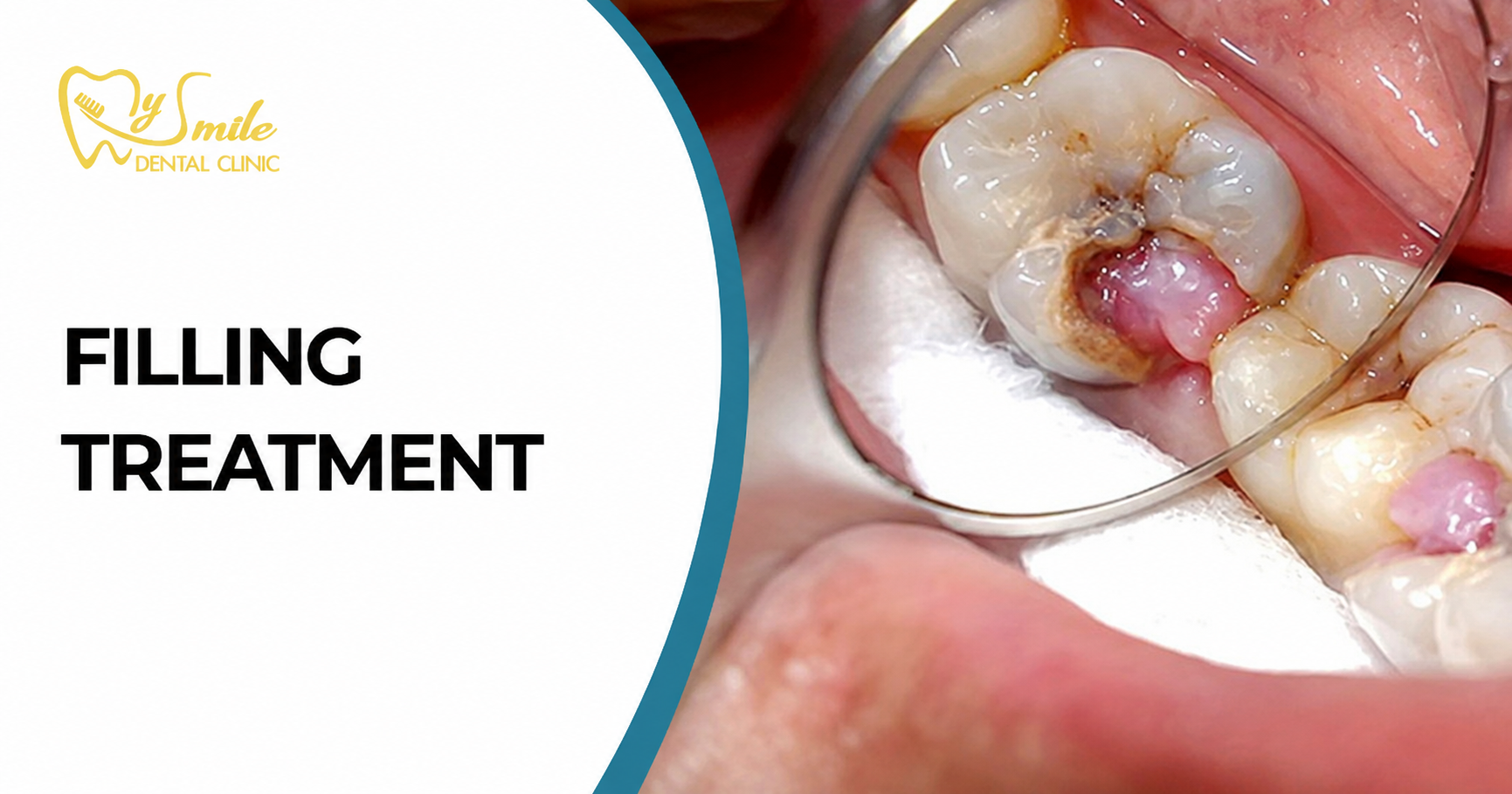
Persistent toothache, discomfort when chewing food, or a persistent aching sensation can be signs of pulpitis (inflammation of the tooth pulp). If left untreated, pulpitis can lead to infection and tooth loss. Root canal treatment is the solution to prevent these dangerous complications. But in which cases is root canal treatment truly necessary, and what is the treatment process? Let’s find out with My Smile in the article below.
What is root canal treatment?
Root canal treatment is a process which involves completely removing the inflamed or necrotic pulp from the pulp chamber and root canals. Afterward, the root canal system is cleaned, disinfected, and sealed with specialized materials to prevent bacterial reinfection and maintain the tooth’s function in the dental arch.
The dental pulp nourishes the tooth and allows it to sense stimuli such as heat, cold, or pain. Located within the enamel and dentin, the pulp is a small cavity containing soft tissue. Therefore, the dental pulp is very sensitive. When damaged by cavities, trauma, etc., the pulp can become inflamed, infected, or die. To address this and protect the natural tooth, the dentist will prescribe root canal treatment.
Previously, teeth with inflamed or dead pulp had to be extracted, but today, root canal treatment helps save teeth that would otherwise have had to be removed.
Why is root canal treatment necessary?
The dental pulp plays a crucial role in the survival of a tooth. When the dental pulp becomes inflamed or dies, root canal treatment is necessary to preserve the natural tooth and oral health. Specifically:
Prevent inflammation and infection
When the dental pulp becomes inflamed or necrotic, the pulp tissue can become a favorable environment for bacteria to grow. If left untreated, this condition can lead to infection spreading to the root tip, forming a periapical abscess, causing bone loss, and affecting the tissues surrounding the tooth.
Preserve the natural teeth in the dental arch
Teeth that have lost their pulp cannot regenerate on their own, but with proper treatment and appropriate restoration, they can still function normally for a long time. Root canal treatment helps preserve the natural tooth structure, avoiding extraction and limiting complex restorations such as… dental implantor get a dental bridge.

Preventing systemic complications
Root canal infections can spread to soft tissue, the maxillary sinus, or through the bloodstream, affecting overall health, especially in individuals with underlying conditions such as diabetes or cardiovascular disease. Root canal treatment helps remove the infection locally and minimizes this risk.
Cases requiring root canal treatment
The following are cases where root canal treatment is indicated by a dentist:
Large cavity, exposed pulp
When a tooth is severely decayed, bacteria can invade the pulp chamber, causing acute or chronic pulpitis. Exposed pulp leaves the tooth pulp in direct contact with the oral environment, easily leading to necrosis. If left untreated, patients may experience periossification and potentially lose the tooth permanently.
Tooth pulpitis, pulp necrosis
When inflammation is irreversible or has progressed to necrosis, the pulp tissue loses its ability to heal itself, allowing bacteria from the pulp chamber to easily spread down the root canal and periapical region. Teeth with dead pulp often lose sensation but carry a risk of chronic infection. If left untreated, this condition can lead to chronic periapical inflammation, bone loss, and ultimately tooth loss.
The tooth was filled but complications arose
After a dental filling, some patients experience prolonged sensitivity, dull pain, or sensitivity to hot and cold. These are signs that the pulp may have been damaged. This could be due to filling material being too close to the pulp chamber, bacteria remaining in the cavity, or thermal and mechanical trauma during the procedure. If symptoms do not improve, delaying root canal treatment can lead to irreversible pulpitis, resulting in necrosis and secondary infection.
The tooth shows signs of acute inflammation
Severe toothache, swollen gums radiating to the head, possibly accompanied by swollen lymph nodes in the jaw area or fever, are typical symptoms of acute pulpitis or periapical abscess. The appearance of white pus in the gums near the tooth root, recurring frequently and causing bad breath, is a very dangerous condition requiring root canal treatment as soon as possible to remove the infection and prevent complications.
When is root canal treatment needed?

- Loose teeth: When a tooth becomes loose, especially after trauma or infection, it may be a sign of pulpitis or pulp necrosis. As a result, the tooth becomes more sensitive, weaker, and more prone to loosening.
- Persistent pain that doesn’t subside: Persistent toothache that doesn’t subside despite painkillers is a sign of pulpitis or pulp necrosis. This condition cannot resolve on its own and requires root canal treatment to remove inflamed pulp tissue, prevent infection from spreading, and effectively relieve pain.
- Tooth sensitivity or pain when touching the teeth: Persistent sensitivity, especially when eating or drinking hot or cold foods or beverages, indicates that the tooth pulp is inflamed. Inflammation or damage to the pulp irritates the nerves, leading to pain when exposed to heat.
- The tooth shows signs of swelling or an abscess around the root: If swelling, redness, or pus appears in the gum area around the tooth root, this could be a sign of severe pulpitis or a periapical abscess.
- The tooth has been severely damaged, broken, or cracked: When a tooth is fractured or cracked deeply into the pulp chamber, the pulp can be exposed and become susceptible to infection. Although the tooth may not be painful yet, if root canal treatment is not performed promptly, bacteria will invade the pulp and lead to inflammation or necrosis, severely damaging the tooth.
Principles of root canal treatment
To ensure long-term treatment effectiveness and patient safety, the following are the basic principles in root canal treatment:
- Completely remove the pathological bone marrow tissue: Inflamed or necrotic dental pulp is a potential source of infection. Therefore, it is crucial to completely remove diseased tissue from the root canal system. If any remains, the risk of reinfection and treatment failure is very high.
- Ensure aseptic technique during treatment: Root canal treatment is a procedure that requires an absolutely sterile environment. Instruments, the doctor’s hands, and the entire process must be strictly controlled to prevent the introduction of additional bacteria into the root canal.
- Root canal sealing: The golden rule in root canal treatment is to leave no gaps in the root canal system. The filling material must be tightly packed, evenly distributed, and biocompatible to ensure long-term tooth protection.
Root canal treatment procedure
A complete root canal treatment procedure consists of four steps:
Step 1: Take dental X-rays and administer anesthesia
Before beginning root canal treatment, the dentist will take X-rays to assess the condition of the tooth and determine the extent of pulp damage. After receiving the X-ray results, the dentist will administer local anesthesia around the tooth to be treated to ensure the patient feels no pain during the procedure.
Step 2: Remove necrotic pulp tissue
After the patient is given anesthesia, the dentist will make a small hole in the tooth to access the pulp chamber. Necrotic or inflamed pulp will be completely removed using specialized dental instruments. The goal is to thoroughly clean the pulp and stop bacterial growth, preventing further infection.
Step 3: Clean and fill the root canal
After removing the pulp tissue, the dentist will clean the root canal with an antiseptic solution to eliminate any remaining bacteria. This process is crucial to ensure that no bacteria remain in the root canal system, helping to prevent infection. After cleaning, the dentist will fill the root canal with specialized filling material.
Step 4: Attach the fixed porcelain crown
To protect the tooth and restore chewing function, the dentist will place a crown over it. The crown will help protect the root-treated tooth from mechanical stress during chewing, while maintaining the tooth’s shape and aesthetics. In some cases, if a significant amount of tooth tissue has been lost, the dentist may recommend a dental bridge or crown.
How long do teeth that have undergone root canal treatment last?
Teeth that have undergone root canal treatment can last 10-15 years if properly cared for. However, the lifespan of a tooth depends on many factors, including:
- Quality of treatment: A root canal treatment performed accurately and carefully will help protect the tooth in the long term.
- Dental condition: If a tooth has lost a lot of hard tissue or suffered significant damage, its lifespan may be shorter.
- Oral care: Maintaining good oral hygiene and having regular check-ups will help increase the lifespan of teeth that have undergone root canal treatment.
What foods should be avoided after root canal treatment?
After root canal treatment, teeth can become weaker due to the loss of some hard tooth tissue. Therefore, you need to pay attention to your diet to protect your teeth. Some foods to avoid or limit include:
- Food that is too hard or crunchy: Nuts, hard foods like bones, or hard candy can put strong pressure on teeth that have undergone root canal treatment, easily causing them to chip or break.
- Food that is too hot or too cold: eeth that have undergone root canal treatment may become sensitive to temperature, so it’s best to avoid eating or drinking anything too hot or cold in the initial period after treatment.
- Sticky or sugary foods: Foods such as gummy candies, cakes, or foods high in sugar can create a favorable environment for bacteria to grow and increase the risk of reinfection.
How to care for your teeth after root canal treatment

Proper oral care after root canal treatment is crucial for protecting the treatment’s effectiveness and maintaining long-term oral health. Care instructions include:
- Thorough oral hygiene: Brush your teeth at least twice a day and use dental floss to remove plaque and food debris. Pay close attention to cleaning the area around the tooth that has undergone root canal treatment.
- Regular check-ups: Follow up appointments are scheduled so the dentist can check the condition of your teeth and monitor your recovery.
- Avoid chewing forcefully on teeth that have undergone root canal treatment: For the first few days after treatment, your teeth may be sensitive. You should avoid chewing hard foods or using the treated teeth to reduce the risk of damaging them.
- Use a bite splint if necessary: If you have a habit of grinding your teeth at night, your dentist may recommend using a bite splint to protect the root-treated tooth from the grinding pressure.
Cost of treating a dead tooth pulp
The cost of root canal treatment at reputable dental clinics typically ranges from 500,000 VND to 2,000,000 VND per tooth, depending on the tooth’s condition and the treatment method.
- Severity of injury: If a tooth is severely decayed or has serious pulp inflammation, the cost of treatment may be higher than in cases where the pulp is only slightly damaged.
- Use filling material: Costs can also vary depending on the filling material used, such as gutta-percha, permanent fillings, or porcelain veneers.
- Dental clinicReputable dental clinics with experienced dentists and modern equipment will have higher prices compared to other establishments.
At My Smile Dental Clinic, the average cost for treating a dead tooth with pulp is approximately 500,000 VND – 3,000,000 VND per tooth. The treatment will be performed directly by a highly skilled dentist.
See more:
Reputable root canal treatment center in Da Nang – My Smile Dental Clinic

If you are looking for an address root canal treatment with a strong reputation in Da Nang, My Smile Dental Clinic is a reliable choice.
My Smile Cosmetic Dentistry is run by its professional director, Dr. Dang Ngoc Cuong, a former student of the University of Medicine and Pharmacy of Ho Chi Minh City (R2007). He has 9 years of experience in orthodontic treatment and holds a diploma from an advanced orthodontic training course under the guidance of Professor Dr. Jean-Marc Retrouvey at McGill University, Canada. Furthermore, My Smile is equipped with modern dental equipment, enabling accurate diagnosis and effective treatment.
Furthermore, a breakthrough feature of My Smile Dental Clinic is the application of artificial intelligence (AI) to cosmetic dentistry. The AI system acts as a dedicated assistant, helping to schedule appointments, determine consultation times, and provide maximum support to customers.
Root canal treatment this is a solution to preserve severely damaged teeth. However, treatment is only part of maintaining long-term oral health. Proper oral hygiene, flossing, and regular dental checkups are important habits to prevent pulpitis and other dental problems.
If you experience any problems with your tooth pulp, don’t hesitate to visit reputable dental clinics like My Smile Dental Clinic for timely and effective treatment.