
 Tiếng Việt
 Русский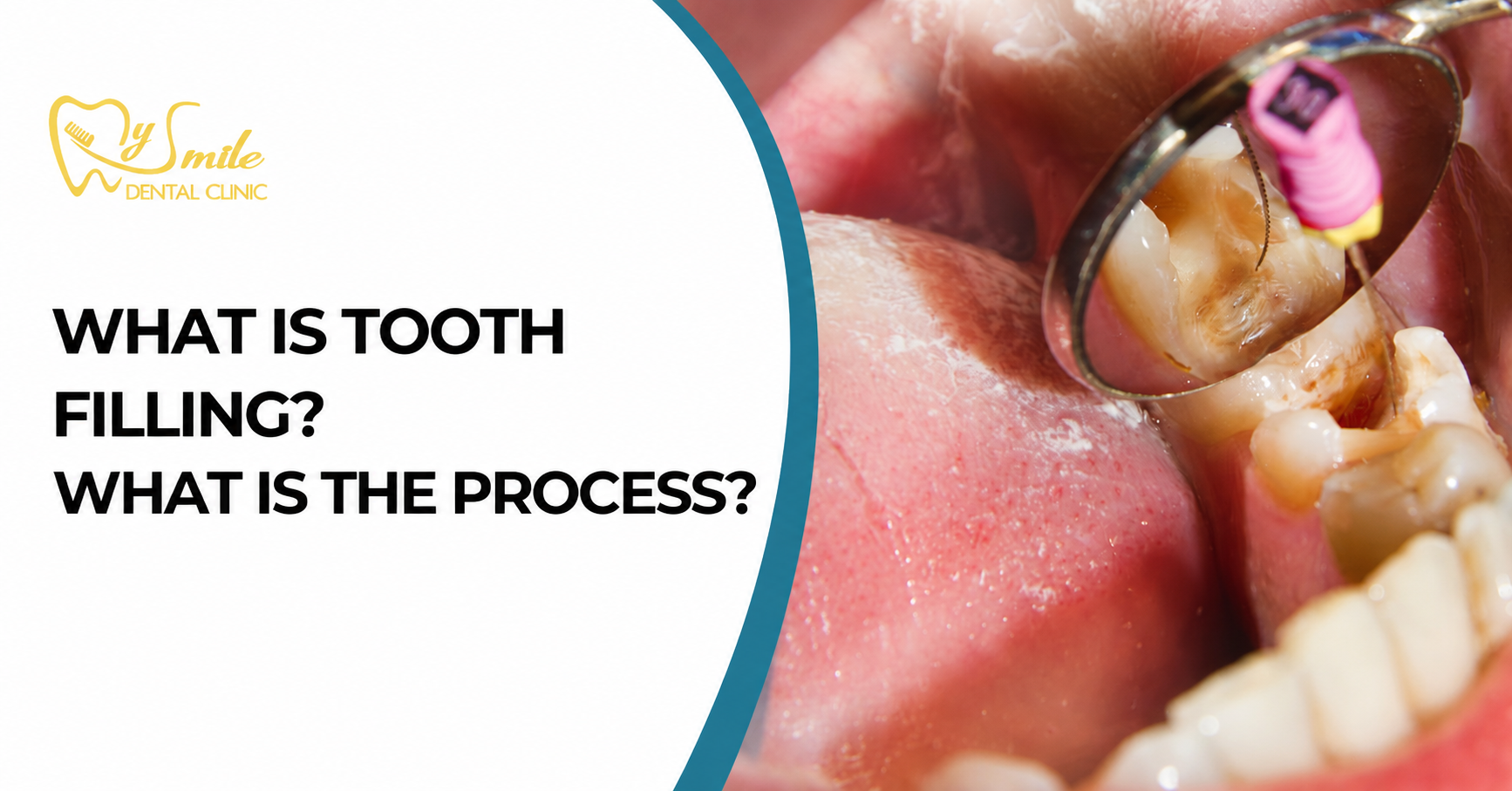
Tooth decay, tooth erosion, cracked teeth, or small gaps between teeth directly affect oral health and the aesthetics of the teeth. If left untreated, these lesions can cause serious complications such as pulpitis, tooth loss, and even affect periodontal tissues. At this point, the dentist will prescribe treatment for the patient.dental fillingsTo prevent the development of disease and protect the structure of the natural teeth. So what is a dental filling? When is it needed? filling toothand there are ways filling tooth so, what’s the answer? Let’s find out together with My Smile in the article below.
What is a dental filling?
Ream tooth dental fillings (also known as tooth restoration) are a dental procedure that helps restore damaged tooth tissue caused by cavities, chipping, or enamel erosion. During the procedure, the dentist will use specialized materials to fill the gaps in the tooth, thereby restoring its shape and chewing function.
This procedure is usually quick, painless, and does not affect the structure of the natural tooth. Depending on the location and extent of the damage, the dentist may choose different filling materials such as composite, amalgam, or other specialized materials.
Ream tooth it is the choice of many people because of the benefits it offers:
- Restoring damaged tooth tissue: Bental fillings help to restore the hard tissue lost due to cavities, tooth erosion, or cracks, ensuring the tooth structure remains stable.
- Preserving as many natural teeth as possible: Dental fillings help avoid invasive procedures such as root canal treatment or crown placement.
- Improve chewing function: Fillings help to fill in the missing part of the tooth, so after a dental filling, patients can eat and chew comfortably.
- Meeting aesthetic requirements: Modern filling materials like composites have a color similar to natural tooth tissue, are easy to shape and polish, and therefore provide excellent aesthetic results.
- Fast treatment time, minimally invasive: The dental filling procedure is usually done in a single appointment, is painless, and does not affect the surrounding tooth tissue.
Cases requiring dental fillings
Filling a moderately decayed tooth
When tooth decay is mild to moderate, and the cavity hasn’t reached the pulp, the dentist will clean out the decayed tooth tissue and use specialized materials to fill the gap. Filling at this stage helps prevent bacteria from penetrating further and protects the remaining teeth. If treated promptly, patients can avoid the risk of having to have their teeth extracted.
Filling a broken or chipped tooth
Teeth can be chipped due to accidents, biting on hard objects, or teeth grinding during sleep. If the chip is small and hasn’t affected the pulp, the dentist will fill it to restore the tooth’s original shape. This not only improves aesthetics but also protects the dentin from the heat effects of eating. Filling small chips is the optimal choice to preserve the natural tooth without needing other restorative methods.
Filling gaps between teeth

Some people have naturally spaced-out teeth or gaps between their teeth due to changes in tooth structure. These gaps easily trap food, creating conditions for plaque and bacteria to grow, leading to interdental cavities or gingivitis. Marginal fillings are a simple solution to narrow the gaps, improve aesthetics, and help prevent dental problems without the need for complex orthodontic intervention.
Filling worn tooth necks
The neck of the tooth is very close to the gums, making it highly susceptible to damage. When the neck of the tooth is worn down, patients often experience sensitivity to hot, cold, or acidic foods. During a dental filling, the dentist uses filling material to cover the damaged area, thereby reducing sensitivity and preventing further wear. Additionally, filling the neck of the tooth helps protect the root from pulpitis or gum recession.
Current methods of dental filling
Each type of dental filling material has its own advantages and disadvantages, depending on aesthetic needs, tooth location, and extent of damage. Below is detailed information about the most common filling materials currently available:
Composite fillings
Composite is a highly aesthetic filling material, commonly used for fillings incisors, premolars, or other visible areas.
- Advantage: Composite materials are easy to shape directly on the tooth, the process is simple and usually completed in just one session. In addition, this material does not require extensive tooth grinding, thus preserving the natural tooth structure.
- Disadvantages: Composites have lower durability compared to materials like ceramics or metals. Over time, this material can tarnish if frequently exposed to colored foods and beverages such as coffee, tea, wine, or tobacco.
Porcelain dental fillings
This is an indirect restorative method, using a custom-designed porcelain piece based on the patient’s tooth mold. This technique is often applied to molars with large cavities, chips, or fractures, but still have enough tooth tissue to hold the restoration.
- Advantage: Porcelain is highly durable, strong, and does not discolor over time. Furthermore, porcelain fillings can fit snugly against natural teeth, ensuring both chewing function and a natural appearance. Their lifespan can reach 10-15 years with proper care.
- Disadvantages: The porcelain filling process takes longer because it requires taking impressions of the tooth and fabricating the filling. Therefore, patients will need at least two appointments to complete the process. In particular, the cost of porcelain fillings is also higher than that of composite or amalgam.
Amalgam and Gold Fillings

Amalgam (often called silver fillings) and gold fillings are two traditional metal materials, primarily used for filling molars due to their high durability.
- Advantage: Amalgam is very durable, strong, and resistant to wear over time. It’s a suitable choice for molars with large cavities. Additionally, amalgam fillings are relatively inexpensive, making them affordable for many people. Gold, on the other hand, is an extremely durable material that doesn’t wear down and is hypoallergenic.
- Disadvantages: The colors of amalgam and gold make the fillings easily noticeable, unsuitable for teeth in easily visible locations. Furthermore, both materials are very expensive and time-consuming to manufacture.
Are dental fillings durable?
Dental fillings are quite durable and can last from 6 to 10 years, depending on factors such as the type of material used, the patient’s oral health, and how oral hygiene is maintained after the filling.
- Durability of filling materials
- Composite beam: Composites are not as durable as ceramics or metals, so they are more susceptible to wear and tear when subjected to strong chewing forces or when in contact with acidic foods and drinks.
- Porcelain filling: Porcelain is one of the most durable filling materials, especially when used for molars. Porcelain fillings are highly durable, resistant to force, and less prone to wear over time. With proper care, porcelain fillings can last 10-15 years, or even longer.
- Amalgam metal fillings: Amalgam fillings are very durable, typically lasting 10-20 years.
- Gold-plated teak: Gold fillings have the longest lifespan of all filling materials. Because gold does not corrode and is resistant to damaging agents such as acids in food, gold fillings can last from 15-20 years.
- Filling location: The position of the tooth also affects the durability of the filling. Molars, especially those subjected to strong chewing forces, can reduce the lifespan of fillings. Meanwhile, fillings in front teeth or teeth that experience less force will last longer.
- Size of the filling: If the cavity is too large, the filling will be subjected to more force, easily leading to wear or breakage.
- Oral care regimen: If you don’t brush your teeth regularly, or have unhealthy eating habits, such as drinking a lot of coffee or tea, or smoking, the color and durability of your fillings will be affected.
Implementation process
Here are the basic steps in the dental filling procedure:
Step 1: Examination and diagnosis
Before performing a dental filling, the dentist will conduct an examination to determine the condition of the teeth and identify problems such as cavities, chips, or wear. X-rays may be taken if necessary to check for damage inside the tooth or around the root. In cases of infection or serious dental problems, the dentist may require treatment before filling.
Step 2: Choose the filling material
Based on the location of the filling and your aesthetic needs, your dentist will advise you on the appropriate filling material. If the filling is in a front tooth, the dentist will usually use composite or porcelain to ensure high aesthetic appeal. If the filling is in a molar, amalgam or gold may be a better option.
Step 3: Clean teeth and apply anesthesia.
After diagnosing and identifying the area needing a filling, the dentist will clean the tooth to remove plaque and bacteria. If the tooth is decayed, the dentist will drill to remove the damaged tooth tissue, creating a cavity ready for filling. If necessary, the dentist will administer local anesthesia so the patient does not feel pain during the procedure.
Step 4: Place the filling material into the tooth.
Next, the dentist will proceed to place the filling material. If using composite, the dentist will insert the material into the cavity and use a special light to harden each layer. With porcelain, the dentist will take a mold and fabricate the filling in the laboratory, then bond it to the tooth using a special method. For amalgam and gold, the dentist will pour the material directly into the cavity and harden it with heat.
Step 5: Shaping and finishing
Next, the dentist will smooth the filling to fit snugly against the natural tooth. If the filling is in a front tooth, the dentist will focus on the shine and color so that the filling blends seamlessly with the surrounding teeth.
Step 6: Check and conclude treatment
Finally, the dentist will re-check the patient’s chewing ability by asking them to bite and try chewing gently. If there is no discomfort or obstruction, the dentist will complete the procedure and instruct the patient on how to care for the filling afterward. Patients will be advised on diet and oral hygiene to ensure the filling lasts a long time.
Cost of dental fillings in Da Nang
Here are the costs of dental fillings in Da Nang:
- Dental fillings for children: 50,000 – 150,000 VND/tooth.
- Dental fillings for pits and fissures using Fuji or Composite material: 100,000 – 300,000 VND/tooth.
- Cosmetic filling of the anterior surface and neck of the tooth: 300,000 – 500,000 VND/tooth.
- High-quality ceramic inlay and onlay fillings: 3,000,000 – 5,000,000 VND/tooth.
However, this price range is for reference only. In reality, the price of dental fillings at different dental clinics will vary depending on the appliance, materials, and filling method used.
Reputable dental filling clinic in Da Nang – My Smile Dental Clinic

If you are looking for a reputable dental clinic for fillings in Da Nang, My Smile Dental Clinic is a reliable choice.
In My Smile Dental ClinicOur dental filling service is performed by a team of experienced dentists, using modern technology and high-quality filling materials, ensuring safety and long-lasting beauty.
In particular, My Smile Cosmetic Dentistry is run by its professional director, Dr. Dang Ngoc Cuong, a former student of the University of Medicine and Pharmacy of Ho Chi Minh City (R2007). He has over 9 years of experience in orthodontic treatment and holds a diploma from an advanced orthodontic training course under the guidance of Professor Dr. Jean-Marc Retrouvey at McGill University, Canada.
Conclude
Dental fillingsThis is a solution for restoring and protecting damaged tooth tissue. To improve treatment effectiveness, patients should choose reputable dental clinics and highly skilled dentists, and also proactively take care of their oral hygiene.