
 Tiếng Việt
 Русский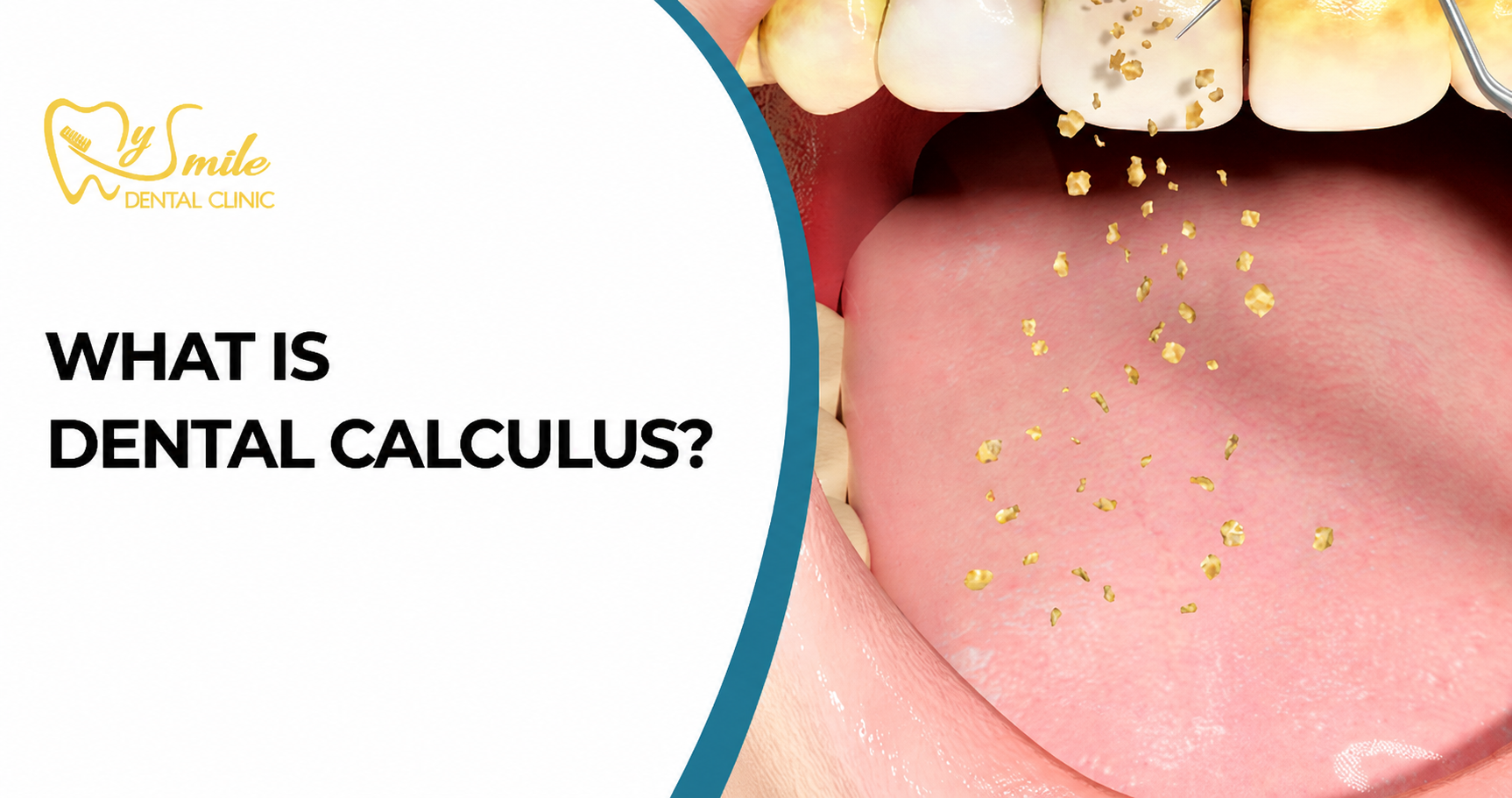
Even with daily brushing, tartar can still form and accumulate in hard-to-reach areas. Over time, tartar not only affects aesthetics but also directly impacts oral health, leading to gingivitis, bad breath, and many serious periodontal diseases. Therefore, addressing tartar buildup is crucial teeth cleaning. Regular maintenance is extremely important. But in what cases is it necessary? teeth cleaning? Procedure teeth cleaning. How does shaving happen and how often should you shave? Let’s find out with My Smile in the following article.
What is teeth cleaning (scaling)?
Dental calculus (also known as tartar) is a hard deposit that adheres tightly to the surface of teeth, formed from bacterial plaque and minerals in saliva. This type of tartar often accumulates in hard-to-clean areas such as between teeth, around the roots, or on the inner surfaces of molars.
Since a regular toothbrush cannot remove tartar, patients need to visit a dentist teeth cleaning. This is a dental procedure that helps remove hard plaque deposits from the tooth surface using specialized instruments or an ultrasonic device.
The benefits of regular teeth cleaning
Preventing oral diseases
Dental plaque is an ideal environment for bacteria to thrive. When plaque and tartar are not cleaned away for a long time, bacteria will attack the gums, causing inflammation and bleeding. If left untreated, this condition can lead to periodontitis, causing teeth to loosen and even fall out. Regular dental cleanings help remove the cause of the disease from the beginning, protecting long-term oral health.
Reduce the risk of cavities.
Dental plaque is one of the most common causes of tooth decay. When plaque builds up thickly on the tooth surface, regular brushing becomes ineffective. Food and bacteria easily trap in the gaps between teeth, creating acids that erode tooth enamel. Over time, the enamel weakens and cavities form. Regular dental cleanings will help remove this plaque, keeping teeth clean and strong.
Improve breathing
Bad breath often stems from tartar buildup. When plaque is left uncleaned for a long time, bacteria break down leftover food and produce an unpleasant odor. This not only affects communication but is also a sign of underlying oral health problems. Regular tartar removal helps eliminate odor-causing bacteria, resulting in fresh breath and increased confidence in social interactions.
Helps to whiten teeth, making them cleaner and more aesthetically pleasing
Dental plaque is yellow, brown, or black, making teeth look dull and unattractive. Regular dental cleanings remove plaque and clean the tooth surface, resulting in whiter teeth.
Cases requiring teeth cleaning (scaling)
Teeth that are stained or discolored
Plaque that accumulates over time can cause teeth to become stained yellow, brown, or black. In particular, hard plaque is very difficult to clean with regular hygiene methods. If you notice uneven or dull tooth color despite thorough cleaning, it may be time to have your teeth professionally cleaned.
Gingivitis or bleeding gums
Gingivitis and bleeding gums often occur when plaque and tartar build up under the gums. If this condition persists, it can lead to more serious problems such as periodontitis. If you experience swollen, red, or bleeding gums when brushing your teeth or eating, you should visit a dentist for a check-up and professional cleaning.
Plaque adheres tightly between teeth or along the gum line
Dental plaque often accumulates in hard-to-reach places like between teeth or along the gum line – areas easily missed during brushing. If you see thick, stubborn plaque in these areas, you should get your teeth professionally cleaned immediately.
Bad breath
Bad breath can stem from many causes, but one of the most common is tartar buildup. If you notice your breath smells unpleasant even after thorough oral hygiene, it could be a sign of tartar affecting your mouth.
Prone to cavities or periodontal disease
When tartar accumulates, food particles and bacteria stick to it, eroding tooth enamel and creating conditions for bacteria to cause cavities. If left untreated, this can lead to periodontal disease, bone loss in the tooth socket, and tooth loss. If you notice signs of cavities or feel your teeth are loose, visit a dentist for a check-up and professional teeth cleaning.
Loose teeth, receding gums
The accumulation of tartar over time weakens the gum tissue, causing it to gradually recede and no longer firmly adhere to the tooth. At that point, teeth will begin to loosen and become more prone to breakage if not treated promptly. When these conditions appear on your teeth, you should visit a dentist for examination and professional teeth cleaning as directed.
Cases where teeth cleaning is not indicated

Although teeth cleaning offers many benefits, it’s not necessary in every case. Here are some situations where teeth cleaning is not indicated:
- People with acute inflammation or systemic infection: When gums are swollen, red, bleeding heavily, or the patient is experiencing a systemic infection, scaling may increase the risk of bacterial spread. In such cases, treatment should be stabilized before scaling.
- Patients with blood clotting disorders or who are taking anticoagulants: Dental scaling may cause slight bleeding. For patients with blood clotting disorders or those taking anticoagulants, this procedure can lead to dangerous complications.
- Pregnant women in the first trimester: Although teeth cleaning is safe during pregnancy, the first trimester is a sensitive period. Therefore, dental intervention during this time is not really necessary.
- The patient has a history of bacterial endocarditis: Patients at high risk of infection after the procedure may require prophylactic antibiotics or other treatment as determined by their treating physician.
- Children under 5 years old: At this age, tartar is usually not yet fully formed and the gums are very sensitive. Plaque removal should only be done gently, such as brushing, and proper oral hygiene should be taught.
Is teeth cleaning painful?
Teeth cleaning is a relatively simple procedure and does not cause significant pain if performed correctly by experienced dentists. However, pain or discomfort may occur depending on several factors:
- Dental plaque: If tartar has accumulated over a long period, especially in areas like below the gums, it can make the scaling process more time-consuming. In these cases, you may experience some discomfort or mild pain during the procedure.
- Teeth cleaning technique: Dental scaling is usually performed using specialized dental tools such as ultrasonic scalers or manual scaling instruments. Ultrasonic scalers are capable of gently cleaning tartar and are painless for patients.
- Patient’s health characteristics: Patients with gum problems such as gingivitis, periodontitis, or damaged gums may experience more pain during a dental cleaning.
How often should I get my teeth cleaned (scaling)? Is it good to have it cleaned frequently?
How often should I have my teeth cleaned to remove tartar?
Generally, dental professionals recommend having your teeth professionally cleaned every 6 months to 1 year, depending on your individual oral health. However, the specific frequency may vary based on several factors:
- Oral hygiene habits:People who brush and floss regularly tend to have less tartar buildup, so they can extend the time between professional cleanings.
- Diet:If you regularly eat foods that can cause plaque buildup, such as sugary or starchy foods, or drink sugary drinks, you will need to have your teeth professionally cleaned more often to prevent tartar buildup.
- Oral health status:People with gum problems such as gingivitis or periodontitis need regular dental cleanings to keep their gums healthy and prevent the condition from progressing.
Is shaving frequently good for you?
Although regular dental cleanings are important, doing them too often isn’t always good. Having your teeth cleaned too many times can cause several problems, including:
- Damage to gum tissue:If teeth are cleaned too frequently, especially when there isn’t much tartar buildup, it can damage the gum tissue, causing the gums to become thin and more susceptible to infection.
- Tooth enamel erosion:Having your teeth cleaned too often can wear away your enamel, especially if the cleaning technique isn’t done correctly. Enamel is a crucial protective layer of the teeth; when it wears away, the teeth become more sensitive than before.
Should you have your teeth cleaned at home?
According to dental specialists, you should not attempt to remove tartar at home. Tartar isn’t just on the surface of the teeth; it can accumulate deep beneath the gums. Without proper technique, attempting to remove tartar from the gums can cause enamel abrasions, damage soft tissue, make it easier for bacteria to penetrate, and even worsen underlying periodontal diseases.
Furthermore, commercially available dental scaling tools often do not guarantee sterility and cannot replace specialized equipment used in dental clinics, which undergoes strict sterilization procedures and is performed by qualified dentists.
To ensure safe and effective tartar removal, patients should visit a reputable dental clinic for proper examination and treatment.
Teeth cleaning procedure

Here is the standard teeth cleaning procedure at a dental clinic:
Step 1: Examination and assessment of oral health
The dentist will perform a thorough examination of the oral cavity to determine the extent of tartar buildup, the condition of the gums, and detect signs of periodontal disease or related pathology before proceeding with treatment.
Step 2: Address any periodontal diseases (if present)
If your doctor detects signs of gingivitis or periodontitis, treating these problems will be the priority. Typically, your doctor will prescribe treatments such as antibiotics, anti-inflammatory medications, or gum hygiene to minimize inflammation.
Step 3: Teeth cleaning (scaling)
This process is usually carried out using one of two methods:
- Manual teeth cleaning: The dentist uses specialized dental instruments and sharp scrapers to remove tartar buildup on the surface of the teeth. This method effectively removes tartar but requires a highly skilled dentist.
- Teeth cleaning using an ultrasonic scaler: The dentist uses an ultrasonic device to clean plaque buildup around the neck of the tooth and below the gum line. The ultrasonic waves effectively remove the tartar without damaging the enamel or surrounding soft tissues.
Step 4: Clean and polish the tooth surface
After completely removing tartar, the dentist polishes the teeth using a specialized brush and polishing agent to create a smooth tooth surface, reducing the risk of plaque buildup in the future.
Step 5: Instructions for oral care after scaling
Patients will be instructed by their dentist on how to brush their teeth correctly, use dental floss, and use appropriate mouthwash to maintain the effectiveness of treatment and prevent the formation of new tartar.
Painless deep cleaning of teeth at My Smile Dental Clinic Da Nang.
In My Smile Dental Clinic the teeth cleaning process is performed using modern ultrasonic technology, which gently and quickly removes stubborn plaque without causing sensitivity or damage to soft tissues. The treatment is performed directly by a team of highly qualified doctors, combined with a closed sterile system, ensuring absolute safety for customers.
After the procedure is complete, the dentist will guide you on how to properly care for your teeth at home to maintain long-term results. With modern methods, the teeth cleaning service at My Smile Dental Clinic in Da Nang provides a comfortable, fast, and safe experience, helping you always feel confident with a bright, beautiful, and healthy smile.
Conclusion
Perform teeth cleaning regular dental check-ups at a reputable facility help thoroughly remove plaque, effectively prevent gum disease, and improve the aesthetics of your teeth. Investing in regular oral care is the foundation for maintaining a healthy and confident smile.