
The lifespan of artificial teeth is an important factor when choosing a method to restore missing teeth. Among available options, dental implants are highly valued, for their ability to restore chewing function and the lifespan of a dental implant. So what can you do to make them last even longer?
What are dental implants?
Dental implants are the most advanced tooth restoration method today, replacing both the root and crown of the tooth. With a structure that mimics natural teeth, a titanium post is surgically placed into the jawbone, allowing for stable chewing function and preventing bone loss and facial collapse.
Implants are considered the most durable option, offering long-term results that surpass dental bridges or removable dentures.
Lifespan of a dental implant
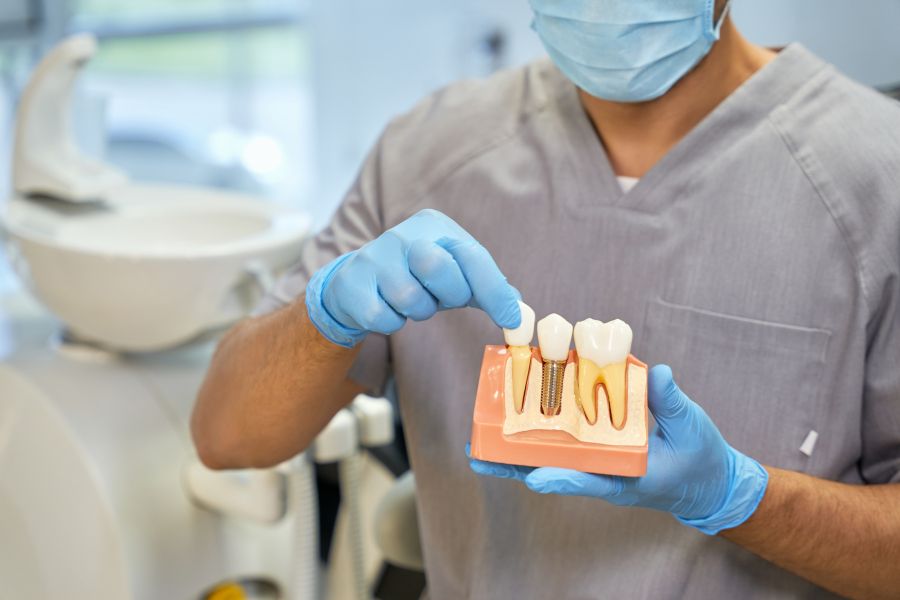
Compared to other restoration methods, dental implants have a significantly longer lifespan. While dental bridges typically last 10–15 years and removable dentures 5–7 years, implants can last much longer without affecting neighboring teeth.
According to the American Academy of Implant Dentistry (AAID), dental implants have a success rate of over 95% after 10 years. Clinical studies show that with proper technique and good oral hygiene, implants can even last a lifetime.
This makes them a preferred solution for patients with permanent tooth loss.
Factors affecting implant longevity
Although implants can last a lifetime, results vary based on several factors—including implant quality, surgical technique, and post-treatment care.
Implant type and material
Not all implants are the same. High-end brands such as Straumann (Switzerland), Nobel Biocare (USA), and Dentium (Korea) offer better bone integration, higher chewing durability, and fewer complications. In contrast, implants from unknown sources may lead to rejection, infection, or early failure.

- Implant Material: Most implants are made from pure titanium or medical-grade titanium, which ensures high biocompatibility and minimizes rejection. Some premium implants include zirconium for added strength and resistance to corrosion.
- Surface Technology: The implant’s surface is critical for bone integration. Technologies such as SLA, RBM, and Active Surface improve bone cell adhesion, accelerate healing, and enhance stability.
- Design and Load Distribution: Well-designed implants can evenly distribute chewing forces. Dual-threaded or spiral-thread designs increase bone contact area, reducing bone loss risk and keeping the implant secure over time.
Dentist’s experience and technique
Implant placement is a complex procedure that requires skill and experience. A properly positioned and stable implant that integrates well with the jawbone has a higher chance of long-term success. Poor placement can result in implant movement, bone loss, or eventual failure.
Modern equipment and technology
Advanced equipment helps ensure precision and safety. For example, CBCT (Cone Beam CT) scans provide detailed 3D images of the jawbone, allowing dentists to assess bone density, nerve position, and other key factors.
Computer-guided surgery also enhances accuracy, reduces trauma, and speeds up recovery. Some clinics use PRF (Platelet-Rich Fibrin) techniques to boost soft tissue and bone healing after surgery.

Post-implant oral care
Proper oral hygiene is crucial to implant longevity. Inadequate brushing, neglecting to use dental floss or antibacterial mouthwash can lead to plaque buildup around the implant. This can cause peri-implantitis (inflammation around the implant), a common cause of implant failure.
Lifestyle habits like smoking and poor diet also reduce implant lifespan. Patients should avoid smoking, refrain from chewing hard foods, and attend regular dental checkups.
Comparing implant longevity with other methods
Comparing lifespan bettween Dental implant, Dental bridges and Removable dentures:
Lifespan of dental implant
Average lifespan: 20–30 years, with many cases lasting a lifetime.
Because:
- Bone integration offers stability like a natural root.
- Doesn’t damage adjacent teeth.
- Made from high-strength, corrosion-resistant materials.
- Influencing factors: Dentist’s expertise, jawbone density, implant quality, oral hygiene.

Dental bridges
Average lifespan: 7–15 years.
Because:
- Adjacent teeth (supporting crowns) bear extra load, wearing down over time.
- No root replacement—bone loss continues.
- Risk of decay or pulp inflammation in abutment teeth.
- Influencing factors: Health of supporting teeth, crown quality, care habits.
Removable dentures
Average lifespan: 5–7 years.
Because:
- Materials degrade and deform over time.
- Doesn’t prevent bone loss—changes in facial structure can loosen the fit.
- Not fixed—can cause gum irritation if worn too long.
- Influencing factors: Material, bone resorption, patient adaptation.
FAQs about dental implant lifespan
Why are implants more durable than other restorations?
Implants fuse with the jawbone, offering strong stability like natural teeth. This integration allows them to withstand chewing forces and resist long-term wear.
Does implant material affect its lifespan?
Yes. High-quality implants made from pure titanium or titanium-zirconium alloys are stronger, more biocompatible, and less prone to corrosion. Reputable brands like Nobel Biocare, Straumann, and Dentium offer decades of proven performance.
Low-cost implants from unknown sources may lack biocompatibility, increasing the risk of infection or early failure.
Can a damaged implant be replaced?
Yes. If an implant fails due to infection or bone loss, your dentist can remove it, treat the area, and possibly perform a bone graft. After 3–6 months of healing, a new implant may be placed.

How can I make my dental implants last longer?
- Practice good oral hygiene
- Brush twice daily with a soft-bristle toothbrush.
- Use dental floss or water flossers to clean between teeth.
- Rinse with alcohol-free antibacterial mouthwash.
- Avoid excessive force
- Don’t chew on hard items like ice, bones, or hard candy.
- If you grind your teeth, wear a night guard.
- Avoid smoking and alcohol
- Nicotine restricts blood flow to the jawbone, delaying healing.
- Alcohol impairs gum healing and reduces implant longevity.
- Regular dental visits
- Visit every 6 months for checkups.
- Professional cleanings help remove plaque around the implant.
- Support bone health through diet
- Eat calcium- and vitamin D-rich foods (milk, salmon, eggs).
- Avoid sticky foods like caramel or gummy candy.
>> See more: Detailed Price List for Dental Implants in Da Nang
We hope this article: “lifespan of dental implant” helped you better understand the lifespan of dental implants and the key factors to maintain their durability over time.
If you’re looking for a trusted dental implant provider in Da Nang, visit My Smile Dental Clinic for a consultation. Our experienced dentists will help you choose the most suitable treatment for your needs.