
Not every dental implant case turns out as well as expected. Lifestyle habits are often part of the reason, and smoking is one of the most common causes of implant problems. So why exactly do implants fail more often in smokers? And what can be done about it? Let’s find out in the article below, brought to you by My Smile Dental Clinic.
How Does Smoking Affect Dental Implants?
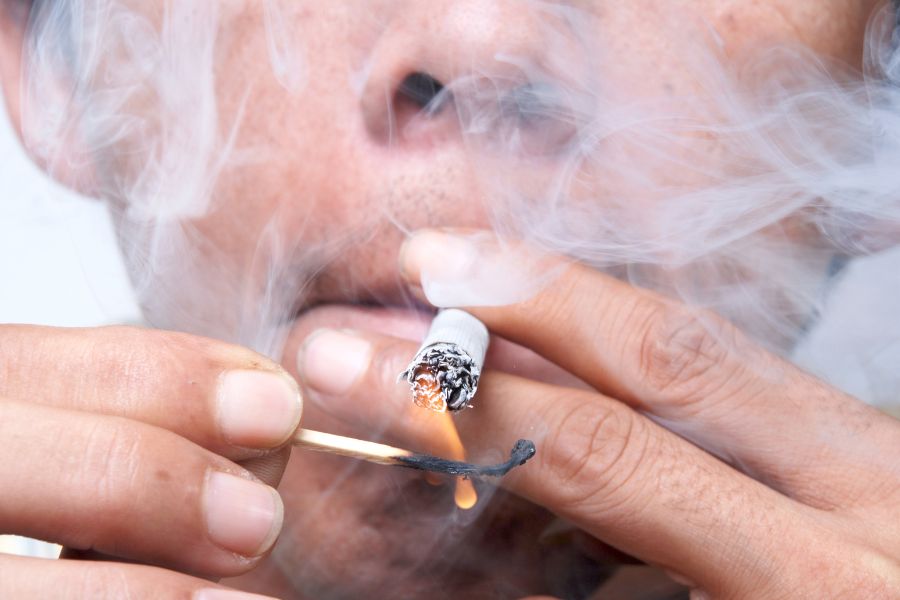
Smoking doesn’t just harm your overall health — it also has a direct effect on how well a dental implant works. According to dentists, the toxic substances found in cigarette smoke can interfere with the entire healing and integration process of the implant post.
It Reduces Blood Flow and Oxygen to the Implant Area
Nicotine in cigarettes causes blood vessels to narrow, which significantly reduces blood flow to the gums and jawbone — exactly the area where the implant post is placed. At the same time, the carbon monoxide in cigarette smoke lowers the ability of red blood cells to carry oxygen. When tissue doesn’t get enough oxygen and nutrients, the process of rebuilding tissue and bone slows down, leaving the implant site in poor condition to heal properly.
It Slows Down Healing After Surgery
After getting a dental implant, the body needs to kick off its natural healing process, which includes forming new tissue and repairing damage. However, toxic substances like nicotine, tar, and free radicals in cigarette smoke weaken the activity of cells — especially fibroblasts (the cells that help build new tissue) and immune cells. This means wounds take longer to heal, are more likely to get infected, and raise the risk of complications after surgery.
It Affects How Well the Implant Bonds With the Bone
Bone integration (called osseointegration) is the process where the jawbone grows around and firmly attaches to the surface of the implant post. This is the single most important factor in whether an implant succeeds or fails. Smoking reduces the activity of bone-building cells (called osteoblasts) and increases the risk of bone loss. As a result, the implant post has a harder time bonding tightly with the bone, making it more likely to be rejected by the body or fail early on.
5 Reasons Why Implants Are More Likely to Fail in Smokers
Many studies from respected health organizations show that smokers have a noticeably higher risk of implant failure compared to non-smokers. This isn’t caused by just one factor — smoking affects healing, bone health, and gum health all at the same time.

1. Longer Recovery Time
After the implant surgery, the treated area needs enough blood flow and oxygen to heal quickly. But cigarettes narrow blood vessels and lower oxygen levels in the blood, which means the wound heals more slowly than normal. This means you’ll have to wait longer to finish treatment, and the risk of infection during this period is also higher.
2. The Implant Post Struggles to Bond With the Bone
For an implant to be strong and long-lasting, it needs to “lock in” tightly with the jawbone. But in smokers, this process doesn’t work as well because the bone isn’t getting proper nourishment. As a result, the implant post may not be stable enough — it can become loose or fail to fully integrate with the bone, which leads to implant failure.
3. Higher Risk of Infection Around the Implant
Smoking creates the perfect conditions for bacteria to grow in the mouth. This raises the risk of a condition called peri-implantitis — an infection around the implant that causes red, swollen gums, bleeding, and sometimes even pus. According to the Centers for Disease Control and Prevention, smoking is a factor that increases the risk of oral infections. If this isn’t treated early, it can lead to bone loss and eventually loss of the implant itself.
4. Weaker Ability to Fight Off Bacteria
Cigarette smoke weakens the local immune system inside the mouth. In simple terms, your body becomes less able to defend itself against bacteria after surgery. So even ordinary bacteria that wouldn’t normally cause a problem can lead to infection and affect how well the implant turns out.
5. Shorter Implant Lifespan
Even after an implant has successfully integrated with the bone, continuing to smoke can still quietly cause damage over time. The gums and bone around the implant post become more prone to chronic inflammation and gradual bone loss. Because of this, implants in smokers typically don’t last as long as they do in non-smokers, and the risk of needing to have the implant removed after just a few years is also higher.
See more:
- Dental Implant Surgery: 3M VND Down Payment – 0% Installment – Up to 30% Off
- Dental implant price list in Da Nang
Solutions for Getting Dental Implants as a Smoker
Even though smoking lowers the success rate of dental implants, smokers can still get implant treatment successfully if they manage their smoking habit well and carefully follow their dentist’s instructions.

Stop or Cut Down on Smoking at the Right Time
According to recommendations from the American Dental Association, you should stop smoking for at least 2 to 4 weeks before and after getting an implant to improve your body’s ability to heal. If quitting completely isn’t possible right away, try to cut down as much as you can each day, and absolutely avoid smoking in the first few days after surgery — especially the first 72 hours, which is the critical window when the wound begins to stabilize.
Keep Up Proper Oral Hygiene Every Day
Brush your teeth at least twice a day using a soft-bristled toothbrush, and be gentle so you don’t disturb the implant area. Use dental floss or a water flosser to clean between your teeth, and rinse with an antiseptic mouthwash as directed by your dentist. In the first few days, avoid rinsing too hard or touching the newly placed implant directly.
Follow Post-Surgery Care Instructions Closely
Taking medication exactly as prescribed, eating properly, and getting enough rest will all help your recovery go smoothly. Stick to soft foods, avoid chewing near the implant area, and cut back on things that can irritate the area, like alcohol and spicy foods. Don’t change your care routine on your own without guidance from your dentist.
Go Back for Regular Follow-Up Checkups
Follow-up visits allow your dentist to check on how well the bone is integrating with the implant and to catch any early warning signs, such as infection or a loose post. Regular monitoring plays a key role in making sure the implant stays stable and lasts as long as possible.
Key Takeaway
Smokers can still get dental implants — but managing your smoking habit and taking good care of your oral health are essential for success. These two things are the key factors that will boost your chances of a successful implant and help it last as long as possible.

If you’re looking for high-quality, licensed dental implant services in Da Nang, feel free to contact My Smile Dental Clinic today for a free consultation!
With My Smile Dental Clinic’s 0% interest installment plan for dental implants — at the most modern dental clinic in Da Nang — owning a high-quality set of implants has never been easier. You’ll have full control over your finances without the pressure of paying everything at once. Here are some of the attractive benefits:
– Pay a deposit of 3,000,000 VND, with the remaining balance paid off over 6–8 months at 0% interest.
– Procedures performed directly by Dr. Cường, the clinic’s owner and a Level-1 Specialist Doctor (BS CKI) who graduated from the University of Medicine and Pharmacy at Ho Chi Minh City.
– Free consultation, plus a complimentary 3D scan.
See more:
- General Dentistry Service Price List – My Smile Dental Clinic
- Immediate Implant Placement: Requirements, Costs, and Benefits
Before-and-after photos of patients who received dental implants at My Smile Dental Clinic:


Check out a full collection of implant cases performed at My Smile Dental Clinic on our official fanpage.