
Immediate implant placement is a modern dental technique that significantly reduces recovery time and the number of surgical visits for patients. However, not everyone who loses a tooth is a good candidate for this procedure. So, who is the right fit for getting a dental implant right after a tooth extraction? Let’s dive into the details below.
What is Immediate Implant Placement?
Immediate implant placement is a procedure in which a dental implant is placed directly into the empty socket immediately after a tooth is extracted, all in a single visit. This technique drastically reduces overall treatment time, minimizes bone and soft-tissue loss, and delivers excellent aesthetic results.
In addition, patients can avoid undergoing two separate surgeries. This means less pain, reduced reliance on medication, and a much more comfortable, stress-free treatment experience.
Pros and Cons of Immediate Implant Placement
Advantages
Immediate implant placement reduces the number of surgical interventions and speeds up the entire treatment process. Because the implant is placed immediately after extraction, the natural bone structure and gum tissue are better preserved, lowering the risk of bone resorption or gum recession.
A major benefit of this method is that it does not require a gum flap procedure (flapless). The dentist uses the existing extraction socket to place the implant, thereby minimizing post-operative pain and shortening healing time. Additionally, patients avoid multiple trips to the clinic, as there is no need for a second surgery to uncover the implant or attach a healing abutment to shape the gums.
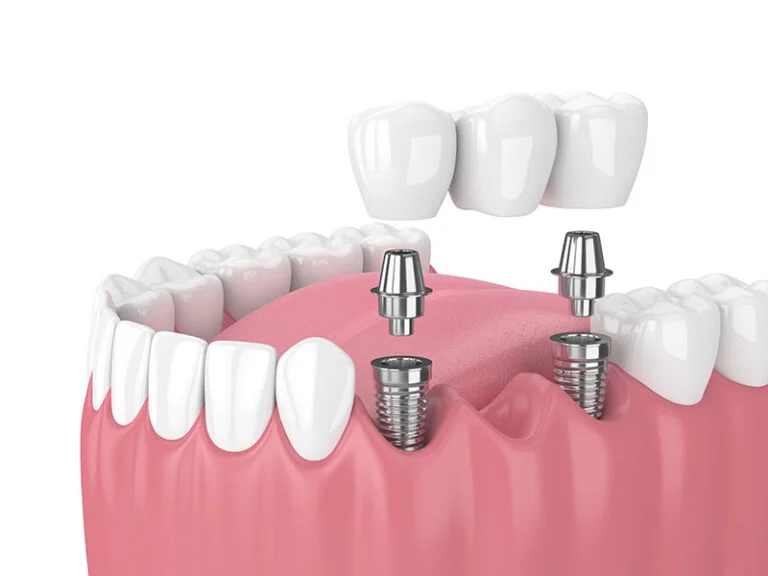
Most importantly, patients can often receive a temporary crown on the same day (immediate loading). With traditional implants, you typically have to wait at least 3 months for the gums to heal, leaving you with a missing tooth gap or requiring an inconvenient removable partial denture.
In contrast, the immediate technique allows a temporary plastic or composite crown to be attached right after placement. This maintains your smile and confidence, especially when you have missing front teeth.
Furthermore, this method helps shape the natural soft-tissue profile around the tooth crown, rather than relying solely on a healing abutment, as in a two-stage surgical process.
Limitations
Immediate implant placement is not a one-size-fits-all solution. Patients must undergo a thorough examination and detailed evaluation by a qualified oral surgeon or dentist before proceeding.
During the procedure, the surgical site offers limited space, and material debris can sometimes occur when adjusting the abutment or fabricating the temporary crown. To manage this, the abutment is usually prepared outside the mouth. Also, the temporary crown must be carefully bonded to prevent excess dental cement from leaking into the surgical wound.

Additionally, the exact amount of bone resorption after a tooth extraction is difficult to predict. If significant bone loss occurs, the implant threads near the neck may become exposed after healing, which can negatively impact both aesthetics and the stability of the surrounding gum tissue.
Finally, because the dental implant is often smaller than the natural extraction socket, bone grafting is frequently required to fill the gap. Consequently, this will increase the overall cost of the treatment.
Should You Choose Immediate Implant Placement?
Applied to patients
To qualify for immediate implant placement, a patient’s bone structure must be in excellent condition. The natural tooth should have small, tapered roots and a relatively short length, while the interradicular bone (the bone between the roots) must be thick enough to provide solid support.
The jawbone density and volume must meet specific standards—neither too dense nor too soft—to allow for stable implant placement. Additionally, the treatment area must be completely free of acute inflammation, active infections, or fistulas around the site. The surrounding soft tissue must also be healthy and undamaged.
Contraindications
Patients with severe tooth infections—characterized by high tooth mobility, pus in the gums, persistent pain, or large periapical lesions on X-rays—are generally not candidates for immediate placement. Active periapical inflammation often triggers bone resorption, significantly reducing bone volume and density. In these cases, dentists typically recommend extracting the tooth, thoroughly cleaning the infected area, and waiting for the bone to regenerate before placing the implant.
Furthermore, teeth with large, complex root anatomy or those ankylosed (fused) to the jawbone make the extraction process difficult. If extensive drilling or bone cutting is required to remove the tooth, the surrounding bone can suffer trauma, leading to increased bone loss and a longer recovery period.
If the gum tissue is torn, lacerated, or significantly deficient after the extraction, there will not be enough soft tissue to fully cover the implant, hindering proper healing and the final aesthetic outcome.
Patients with uncontrolled periodontal disease or acute mucosal inflammation at the planned implant site must also get these conditions under control before the procedure to minimize the risk of implant failure.
In addition, systemic health conditions like cardiovascular diseases or poorly controlled diabetes can impair blood flow and delay healing, which increases the risk of implant failure.
Heavy smokers and regular alcohol users also face lower osseointegration success rates due to the negative impact these habits have on the body’s natural healing process.
Pregnant women are generally advised against getting dental implants to ensure the safety of both mother and baby.
For individuals under 18 years old, the jawbone is still growing. Placing an implant too early can interfere with natural bone development and disrupt the patient’s bite alignment later in life.
How Long Does Immediate Implant Placement Take?
Immediate implant placement allows patients to walk out with a new tooth in just 1 to 2 days, skipping the 3 to 6-month waiting period required by traditional implant methods.
Once the implant fixture is securely placed, dental impressions are taken to craft and attach a temporary crown. This temporary tooth restores your smile and supports basic chewing functions while the site heals. Once the implant has fully integrated with the jawbone (osseointegration), the dentist will replace it with a permanent porcelain crown to finish the treatment.
Typically, about 10 days after the surgery, the gum tissue shows noticeable healing, and any pain or swelling will subside. Within about a month after the combined extraction and immediate implant procedure, most patients can return to their normal daily routines and eating habits.
Key Factors That Determine Success
Dental implants are widely considered the most advanced and effective solution for tooth loss, completely restoring both the root and the crown of a tooth. To enjoy a fast implant process without the need for bone grafts or sinus lifts, patients must meet the following crucial criteria:
Healthy Jawbone Quality
The density and volume of the jawbone must be strong enough—not too porous or soft—to ensure high initial stability (primary stability) for the implant right after placement.
If significant bone loss has already occurred, a bone graft or a sinus lift will be necessary before the implant can be placed. This will extend the overall treatment time, as the bone needs time to regenerate and stabilize.
High-Quality Implant Systems
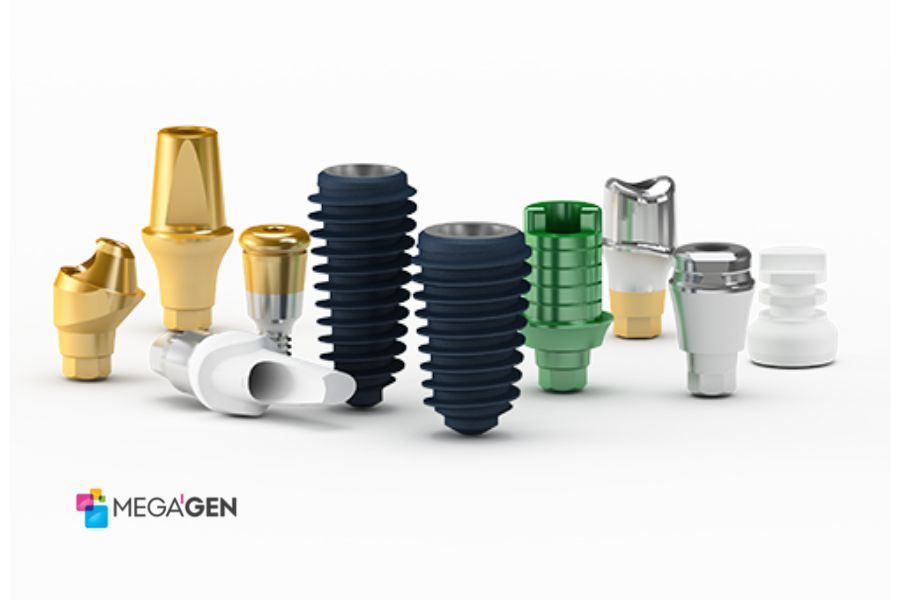
For immediate loading techniques, choosing a premium implant brand is vital. Implants with advanced surface designs and superior osseointegration capabilities ensure excellent initial stability, allowing you to chew comfortably and recover much faster.
Highly Skilled Implant Specialists
Your dentist’s expertise and experience directly impact the procedure’s success rate. The doctor must be highly trained in implantology, capable of accurately assessing bone conditions, and skilled at placing the implant in the precise position for optimal bone integration.
State-of-the-Art Technology and Equipment
A successful implant procedure requires both a skilled dentist and advanced dental technology.
Cutting-edge diagnostic imaging tools, such as Cone Beam CT (CBCT) scanners and 3D implant planning software, maximize placement accuracy, ensure a minimally invasive procedure, and enhance patient safety from start to finish.
Step-by-Step Immediate Implant Procedure
Step 1 – Consultation and Treatment Planning
At the beginning of the process, the dentist will sit down with you to understand your smile goals and review your overall dental health.
Next, you will undergo digital X-rays or a CBCT scan to check bone density, evaluate your jaw structure, and determine the perfect implant position.
Basic health screenings will also be conducted to ensure you are fit for surgery and to minimize any potential risks.
Step 2 – Atraumatic Tooth Extraction
The compromised tooth is removed using an atraumatic extraction technique to preserve as much surrounding bone and gum tissue as possible.
Following the extraction, the dentist thoroughly cleans the socket, removing all infected tissue, bacteria, or debris to create a sterile environment for the implant.
Step 3 – Immediate Implant Placement
This is the most critical step for establishing implant stability. The dentist uses specialized instruments to prepare the site to the exact size and depth, then carefully inserts the implant fixture into the fresh extraction socket.
The implant must achieve high primary stability to facilitate proper bone integration. If all conditions are ideal, a temporary crown can be attached on the same day to restore your smile and basic chewing functions.
Step 4 – Permanent Crown Placement
After a few months, once the implant has fully fused with the jawbone, you will return to the clinic to receive your permanent porcelain crown. This final step completely restores the natural look, color, and function of your tooth, making it look and feel just like a real one.
How Much Does Immediate Implant Placement Cost?
Currently, the cost of a complete dental implant typically ranges from 15 to 35 million VND per tooth. In most cases, this package price covers the implant fixture, the abutment connector, and the final porcelain crown.
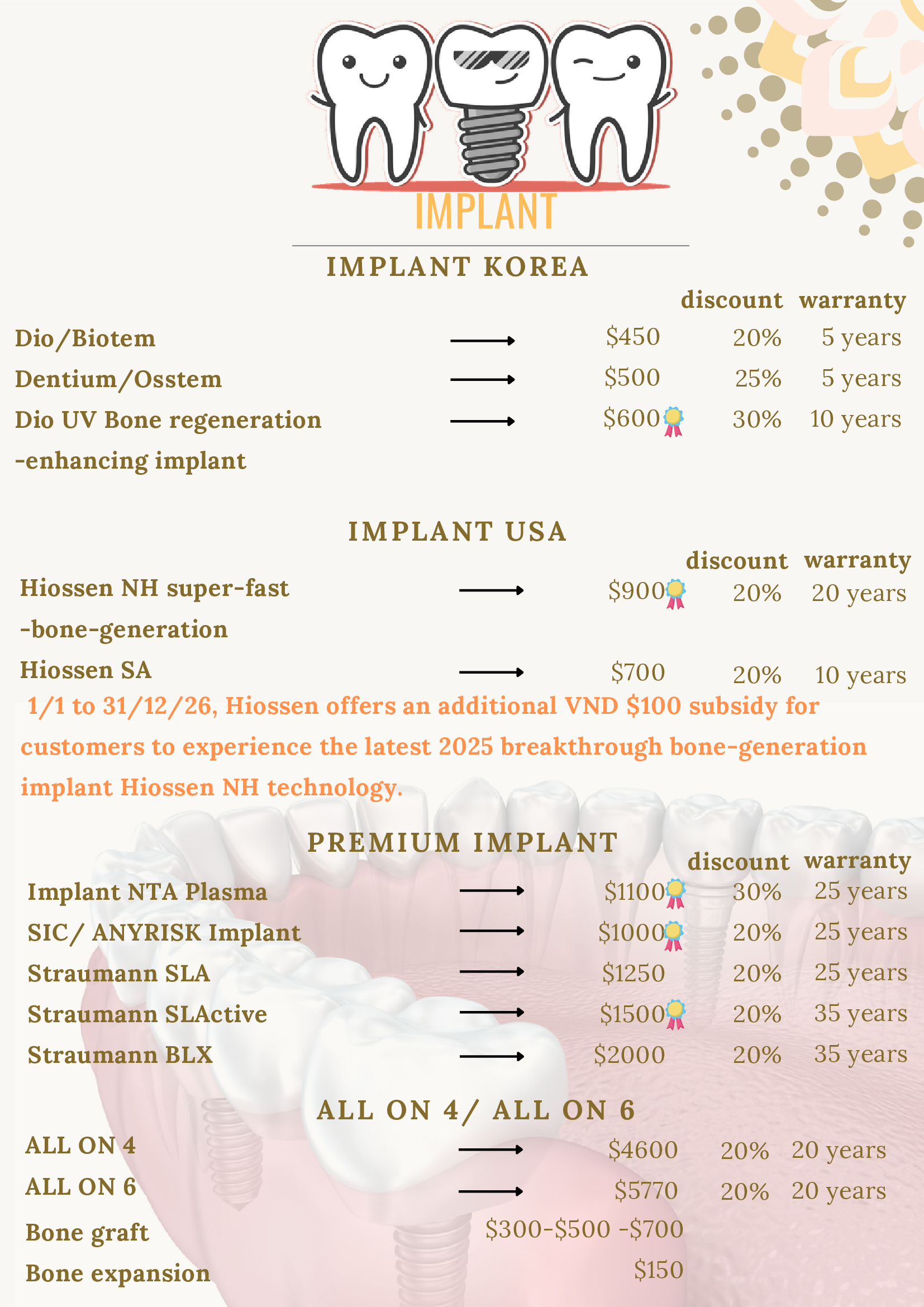
However, the actual total cost can vary based on several factors. The brand of the implant system plays a major role in pricing, with options from South Korea, the USA, or Switzerland each having its own price points and technical features.
Additionally, the choice of porcelain for the crown, the extent of bone loss, and the need for supplementary procedures such as bone grafting or sinus lifts will affect the final treatment cost for each individual.
Conclusion
In short, immediate implant placement is a state-of-the-art solution that significantly reduces treatment time after a tooth extraction while effectively preserving your jawbone structure. However, to qualify for this advanced technique, patients must meet strict oral health and bone quality requirements. Therefore, it is highly recommended that you visit a specialized dental clinic where experienced specialists can accurately evaluate your condition and tailor a treatment plan for your smile.